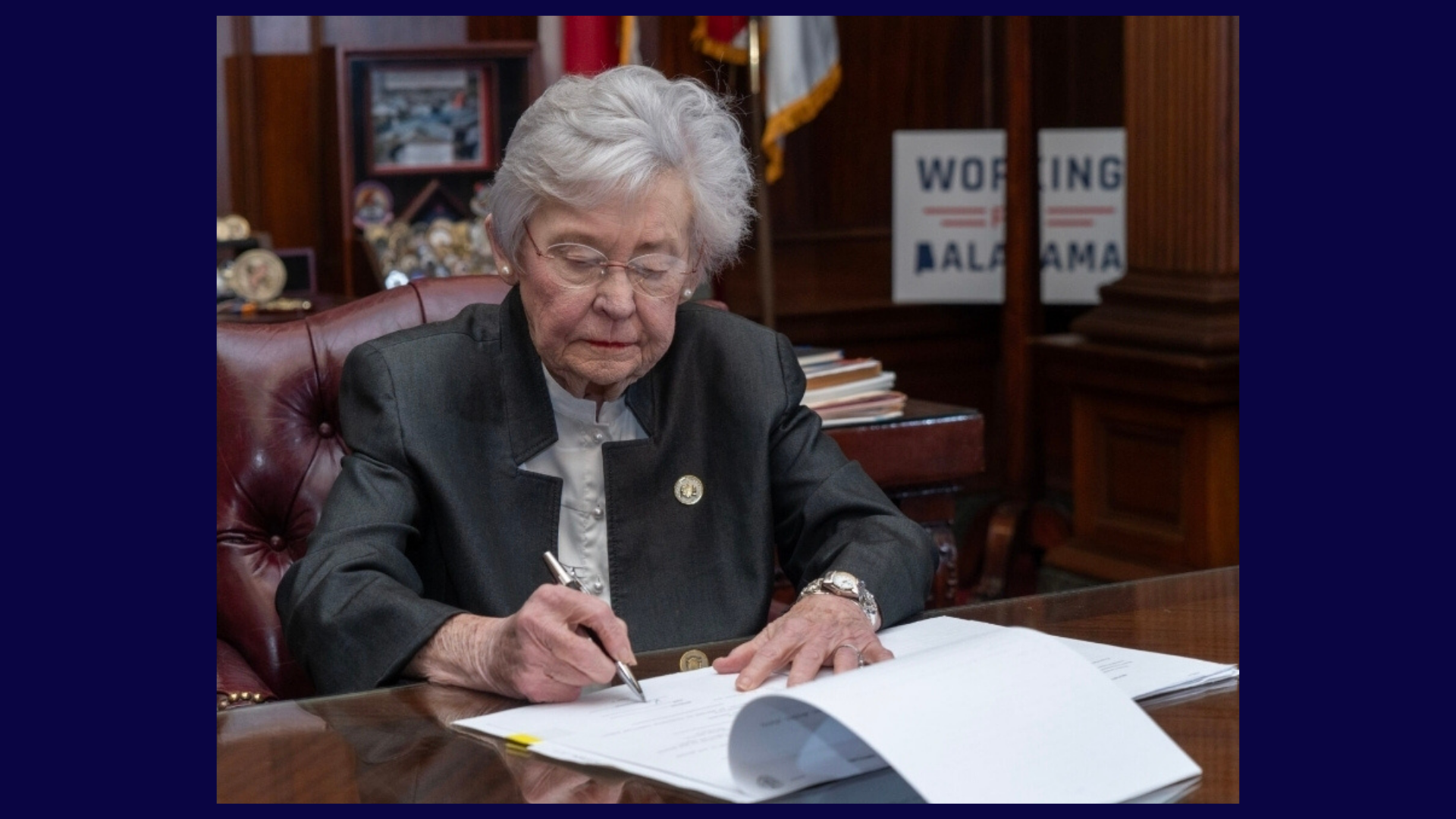
MONTGOMERY, Ala. (WDNews) — Kay Ivey has signed several new bills into law aimed at improving healthcare access across Alabama, with a focus on rural communities, emergency services and preventive care.
“In December, I announced Alabama’s participation in a new Trump Administration program funded by the ‘One Big Beautiful Bill’ passed by Congress to expand rural healthcare delivery,” said Ivey. “Not wasting a moment, I worked with legislative leaders this session to remove legal barriers to ensure healthcare providers are able to work together to improve healthcare delivery in our rural areas. We have also freed first responders to deliver more life-saving services during ambulance calls, and we have joined other states in streamlining approval of out-of-state physician assistants to practice in Alabama. We are promoting healthier diets for Alabama SNAP beneficiaries by restricting the purchase of sugary foods that contribute to obesity and diabetes. These efforts along with several other pieces of legislation lay a solid foundation as we partner with the Trump Administration in improving rural healthcare delivery to better meet the needs of the public.”
Among the measures signed is the Alabama Rural Health Antitrust Immunity Act, allowing healthcare providers to collaborate more closely to expand services in underserved areas. Lawmakers also approved a physician assistant licensure compact, making it easier for out-of-state providers to work in Alabama.
New changes will also impact emergency services. A “treat in place” law will allow EMS providers to be reimbursed for on-site care, even if a patient is not transported to a hospital. State leaders say the change could reduce overcrowding in emergency rooms and improve response availability.
Additional legislation expands tuition reimbursement for EMS training programs and allows military medical experience to count toward state licensure requirements.
Preventive healthcare was also addressed. New laws will eliminate co-pays for certain breast cancer exams beginning in 2027 and prostate cancer screenings for older and high-risk men later that year.
Lawmakers also passed a measure encouraging healthier food choices by seeking federal approval to restrict sugary items like candy and soda from SNAP purchases. Another law expands indoor smoking bans to include vaping and electronic nicotine devices in public spaces.
State leaders also secured funding to support rural healthcare improvements. The Centers for Medicare and Medicaid Services awarded Alabama $203.4 million for projects aimed at strengthening care in rural communities.
Officials say the combined efforts are expected to improve access to care and overall health outcomes for residents statewide.