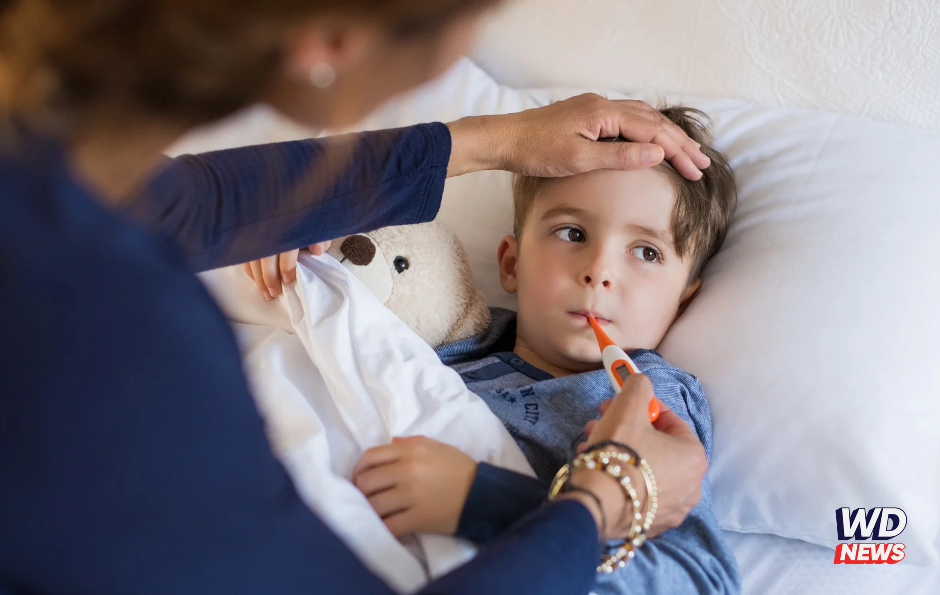
DOTHAN, Ala. (WDNews) — Illnesses are circulating across Alabama, with local health officials and schools in Dothan working to address the impact. The Alabama Department of Public Health (ADPH) has identified several viruses affecting residents, including norovirus, influenza, and respiratory syncytial virus (RSV).
According to local pediatricians and Dothan City Schools (DCS) Health Services, norovirus—commonly referred to as the “stomach bug”—is one of the more widespread illnesses in the area. The virus causes inflammation of the stomach and intestines, leading to symptoms like vomiting and diarrhea. The Centers for Disease Control and Prevention (CDC) warns that norovirus is highly contagious and can still spread even after symptoms improve.
Alabama is also experiencing high levels of influenza, with children commonly exhibiting fever, cough, sore throat, muscle aches, and sometimes vomiting or diarrhea. “Anti-viral medications are most effective when taken within 48 hours of symptoms,” said health officials, encouraging parents to consult their child’s doctor if symptoms arise.
RSV cases are also climbing, with symptoms such as congestion, cough, fever, and sneezing. The virus spreads through droplets from coughing, sneezing, or contact with contaminated surfaces. The CDC notes that RSV often peaks in January in Alabama and generally causes mild, cold-like symptoms in children.
DCS Director of Health Services, Blair Peterman, emphasized the importance of keeping sick children at home to prevent illness from spreading. “We want a healthy learning environment at schools across the district. Parents can help keep our students and staff healthy. Depending on the circumstances, a student may need to stay home from school and be checked out by a pediatrician,” Peterman said.
“Our nurses do a fantastic job in caring for our students, especially when those students aren’t feeling their best. But we do need our parents’ help in being one step ahead, being proactive, and not sending a sick child onto the school bus or into the school building. That way we can avoid the spread of viruses and other illnesses that are currently going around,” she added.
Peterman outlined specific situations when students should stay home, including:
- A fever of 100.4°F or higher
- Vomiting or persistent diarrhea
- Persistent cough or runny nose (evaluation by a doctor is recommended)
Masks are also recommended for students experiencing respiratory symptoms.
To curb the spread of illnesses, Peterman advised:
- Washing hands frequently and thoroughly
- Avoiding close contact with others while sick
- Teaching children to cover their coughs
Cleaning and sanitizing personal items like jackets, hats, and gloves
For more details on when children should stay home, visit the Dothan City Schools Health Services Program website.