DOTHAN, Ala. (WDNews) — More than 180 Wiregrass high school students are getting hands-on experience with real-world science while helping researchers study one of the region’s most important crops — peanuts.
The students are taking part in the Wiregrass Peanut Project, an ongoing genomics research effort through HudsonAlpha Institute for Biotechnology. The research is led by HudsonAlpha faculty investigator Josh Clevenger.
This school year, 15 schools across five Alabama counties are participating in the project.

Students begin by planting research peanuts in their classrooms and growing them into seedlings. This week, participating classes are traveling to the Wiregrass Innovation Center in Dothan for the second phase of the project.
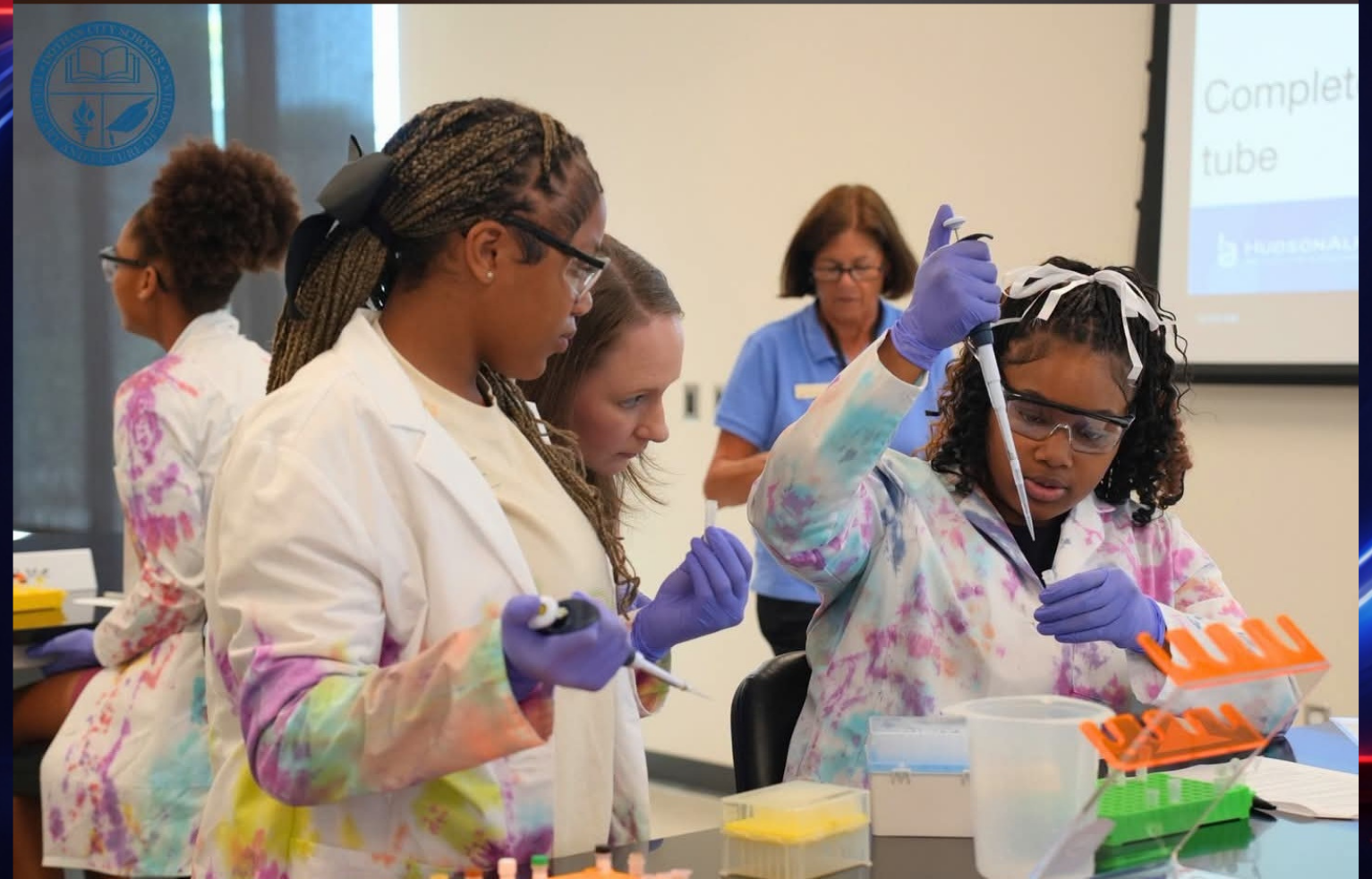
During a multi-hour laboratory experience, students extract DNA from their peanut seedlings while learning to use advanced laboratory equipment and research techniques.
The DNA samples will then be analyzed. Later this fall, students will receive data from the plants and help researchers make decisions about the next steps in the project.
The work is part of ongoing peanut genomics research aimed at identifying naturally occurring DNA changes that could help develop plants with higher yields, stronger resistance to pests and disease and a better ability to handle environmental conditions such as drought or heavy rainfall.
The research has a direct connection to the Wiregrass. According to HudsonAlpha, more than half of the peanuts grown in the United States are produced within a 100-mile radius of Dothan.
HudsonAlpha Wiregrass researchers are working with local farmers, schools, plant breeders, scientists and the Wiregrass Research and Extension Center to identify traits that could eventually be used to develop peanut varieties better suited for the region.
Organizers said the student project also gives young people an opportunity to see themselves as scientists while learning about careers in agricultural genomics and biotechnology.
Students will continue contributing to the research throughout the school year, with information collected during each phase helping guide future experiments.