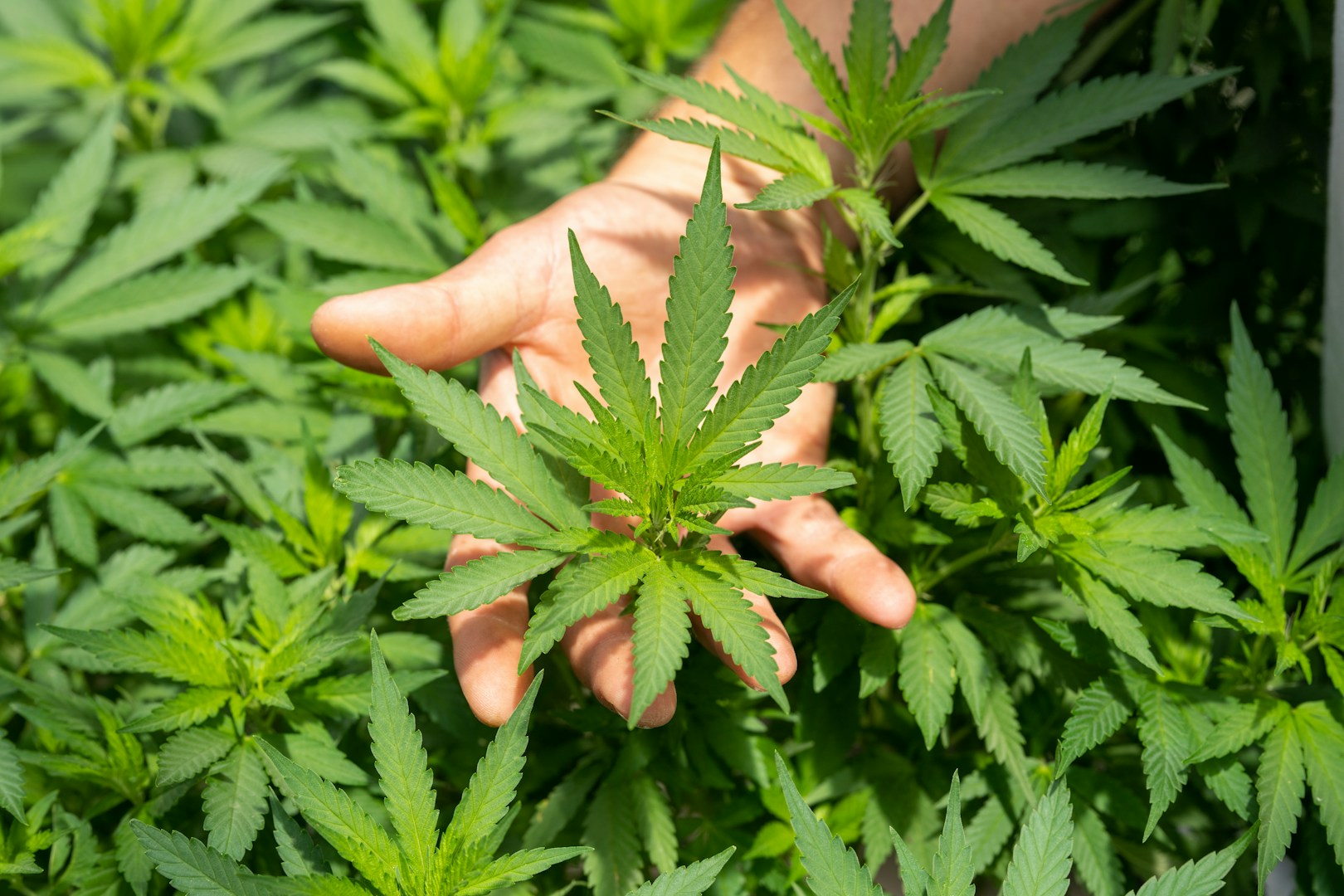
(WDNews) — President Donald Trump has signed the bill that ended the federal government shutdown, and the new law includes a major change to how hemp is defined in federal law — a shift that could affect farmers, retailers, and companies across the fast-growing hemp industry.
The bill, H.R. 5371, updates the definition of hemp to include “total tetrahydrocannabinols,” meaning all forms of THC — including THCA — must now be counted together. That is different from the 2018 Farm Bill, which only measured delta-9 THC.
The law also says hemp-derived consumer products cannot contain more than 0.4 milligrams of total THC per container, a limit many popular items exceed. It also excludes cannabinoids that are chemically altered, created outside the plant, or not naturally produced by hemp.
Supporters say the tighter rules will help federal agencies regulate a market that has grown quickly and unevenly. The law also requires the Food and Drug Administration to publish updated lists of plant-made cannabinoids and related compounds within 90 days.
But hemp advocates warn that the new definition could impact many products that are currently legal and widely sold.
Jonathan Miller, general counsel for the U.S. Hemp Roundtable, told The Washington Post that senators were not given a full picture of the bill’s impact.
“U.S. Senators were promised that this bill protects non-intoxicating CBD products, which is manifestly untrue — the large majority of non-intoxicating CBD products on the marketplace feature more than 0.4 mg of THC per container,” Miller said.
Industry groups say many CBD oils, tinctures, gummies, and drinks may no longer meet the federal definition of hemp once the rules take effect. Because any product that exceeds the limits is reclassified as marijuana under federal law — a Schedule I controlled substance — possession or transport of these items could potentially be treated the same as possession of illegal marijuana under federal regulations.
Legal experts say this creates uncertainty for both retailers and consumers, who may not realize that products previously sold as hemp could soon fall under controlled-substance rules if they exceed the new THC threshold.
Federal agencies are expected to release more details in the coming weeks, leaving producers, retailers, and consumers waiting to see how the new standards will be enforced.