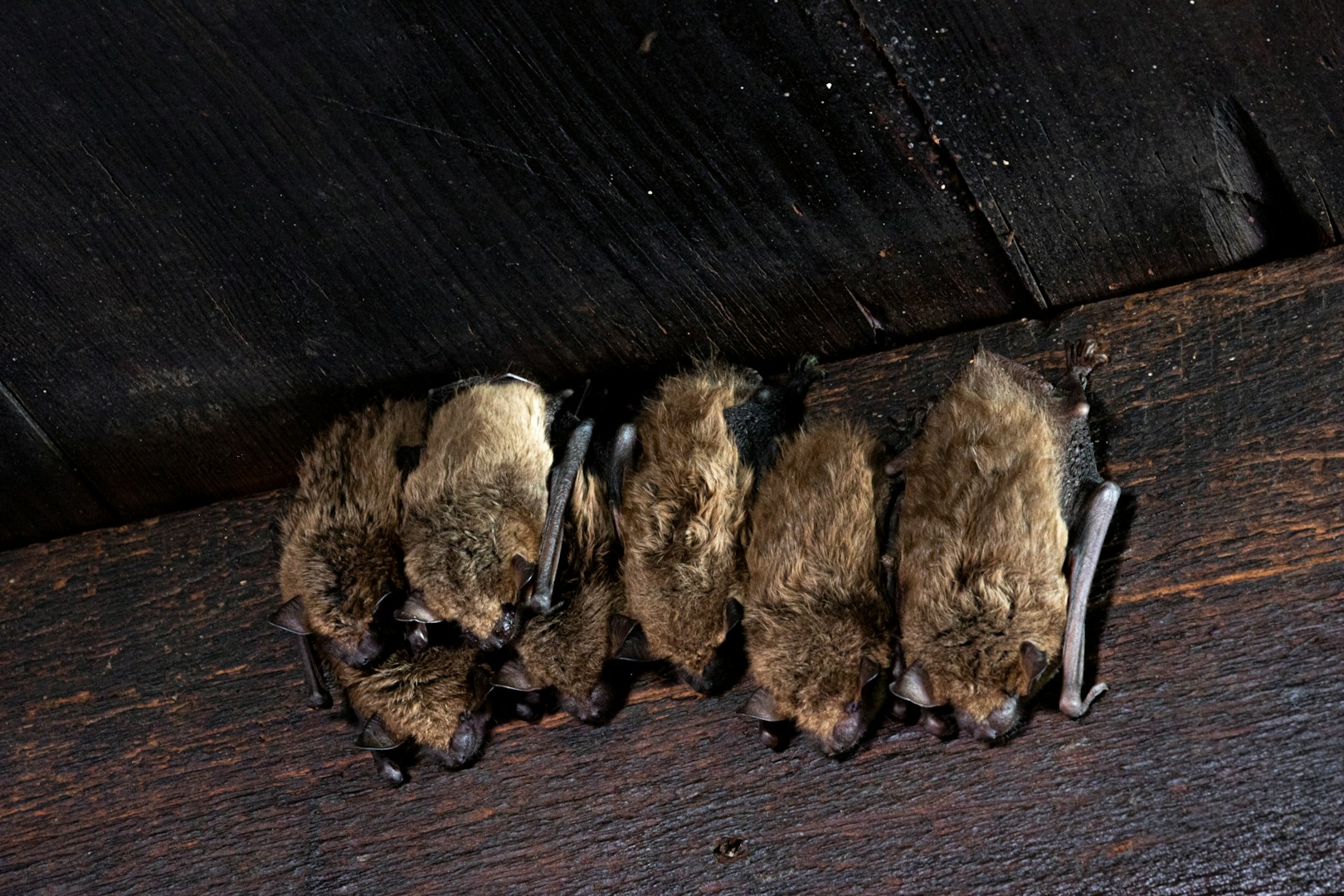
(WDNews) – Alabama is home to 16 bat species that play an important role in maintaining the state’s ecosystem and agriculture. While often misunderstood, bats help control insects, pollinate plants, and support natural balance.
According to the Alabama Department of Conservation and Natural Resources, all of Alabama’s native bats feed on insects—making them a natural form of pest control for farmers and gardeners. Some species, such as the big brown bat and Mexican free-tailed bat, often roost in caves or man-made structures, while others live in forests or under tree bark.
Experts warn that, although bats provide benefits, people should avoid direct contact. Bats can carry rabies, and exposure should be treated seriously. The Alabama Department of Public Health urges anyone bitten or exposed to a bat indoors to seek immediate medical care. Bat droppings, or guano, can also pose health risks and should be cleaned with caution.
Bat populations across the U.S. have declined due to habitat loss, pesticides, and white-nose syndrome—a fungal disease devastating many colonies. Conservationists encourage nonlethal management, such as sealing entry points outside of pupping season and using one-way exclusion devices to safely remove bats.
For more information on bat safety and conservation, visit www.aces.edu or the Alabama Department of Conservation and Natural Resources website.