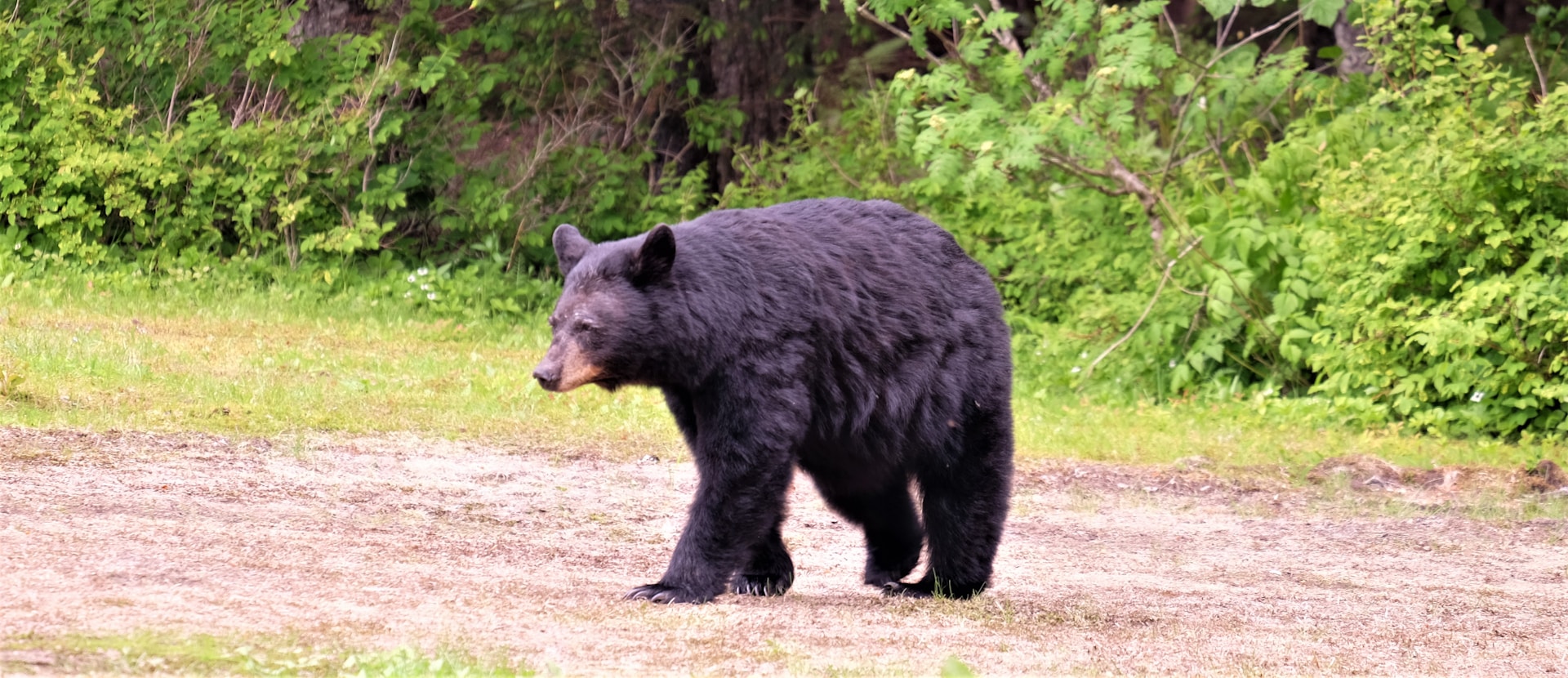
TALLAHASSEE, Fla. (WDNews) — Florida will hold its first black bear hunting season in a decade after state wildlife officials approved new rules this week, despite vocal protests and the threat of an immediate legal challenge.
The Florida Fish and Wildlife Conservation Commission voted 5-0 after more than two hours of testimony that drew nearly 300 people to a Tallahassee State College campus. The season is set for Dec. 6–28 and will allow 187 permits across 31 counties.
Supporters, including county commissioners and sheriffs from Gulf, Liberty, Jackson, Bay and Franklin counties, said bear populations have grown to the point of creating safety risks. They cited increasing reports of bears near homes, schools, and garbage sites.
“We’re getting calls about bears on porches, near schools, breaking into homes, and rummaging through garbage just feet from where our children play,” Franklin County Commissioner Ottice Amison said.
Opponents, however, argued the decision lacks sufficient scientific justification. Marsha Biggs, one of many who spoke against the hunt, called it “unnecessary and cruel” and criticized provisions allowing baiting and hound hunting.
Attorney Raquel Levy of Daytona Beach said she would immediately file an administrative challenge on behalf of Bear Warriors United. The petition, filed with the state’s Division of Administrative Hearings, seeks to block the hunt and relist black bears as a threatened species.
FWC officials defended the move, saying Florida’s bear population has rebounded from fewer than 500 in the 1970s to about 4,050 across seven regions today. Nuisance bear reports have also risen sharply, from 2,000 in 2016 to more than 6,000 last year.
“This is not a ‘run and gun,’” FWC chair Rodney Barreto said. “We make decisions based upon facts. We look to our professional staff with over 100 years of professionalism.”
This year’s harvest limit includes 68 bears in the East Panhandle, 46 in North Florida, 18 in Central Florida, and 55 in the South. Hunters will be chosen through a lottery system and allowed to use firearms, archery equipment, and dogs.
Conservation groups have staged protests across 11 cities and erected billboards near the Capitol opposing the plan. They argue habitat loss and long-term population health were not fully considered.
If the hunt goes forward, FWC officials said they will set quotas and locations annually based on population surveys and reports.