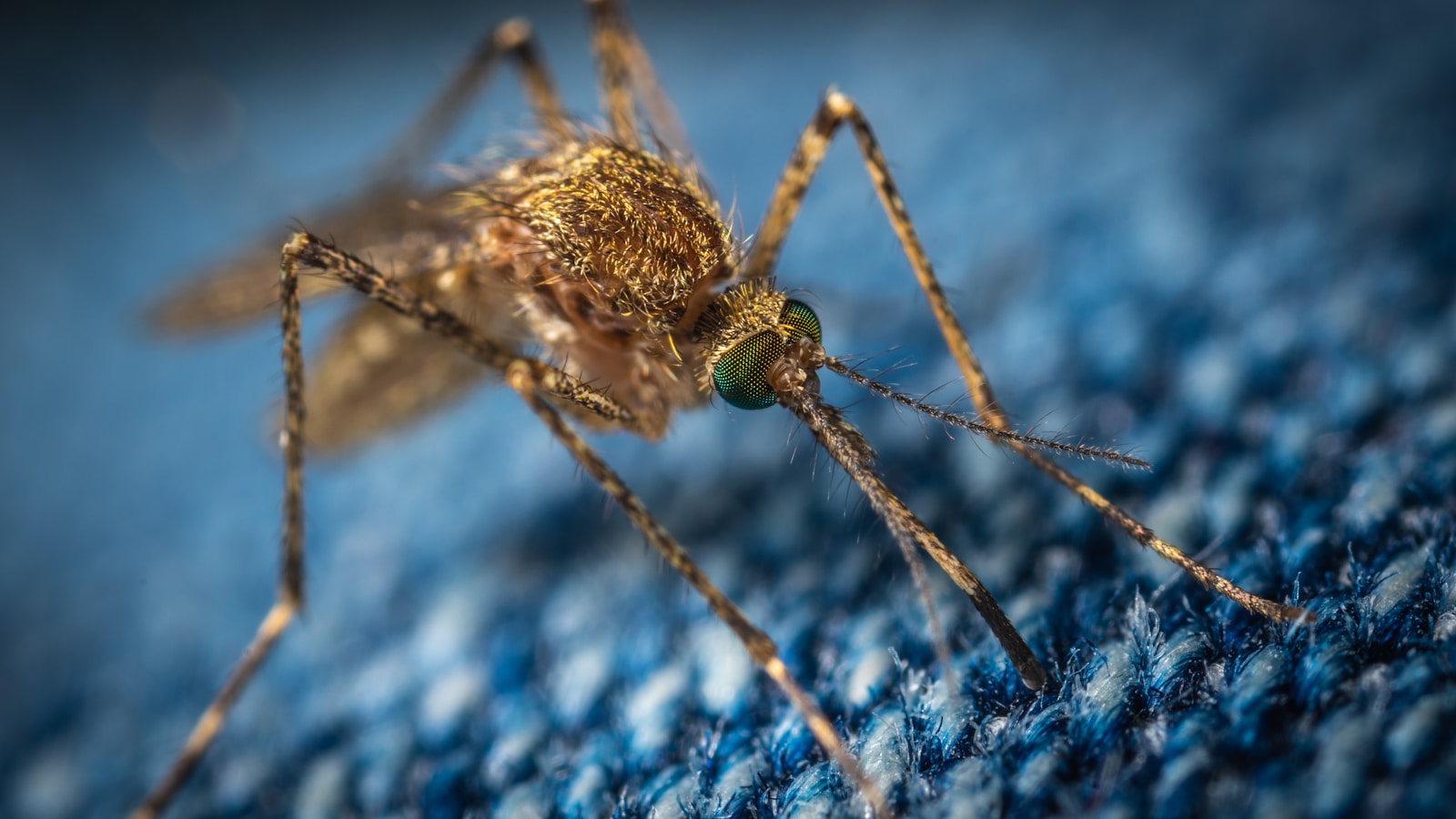
DOTHAN, Ala. – As warmer weather settles over the Wiregrass, the Alabama Department of Public Health (ADPH) is reminding residents to take precautions against mosquito-borne illnesses.
Diseases like West Nile virus (WNV), Eastern equine encephalitis (EEEV), St. Louis encephalitis (SLEV), and La Crosse virus are all spread by mosquito bites — and cases can rise during the summer months.
“Mosquitoes are more than a seasonal nuisance. They can carry viruses that cause serious illness,” said ADPH officials in a news release Tuesday. “Thankfully, there are simple steps residents can take to stay safe.”
Dump the Water, Stop the Breeding
Health officials stress that mosquito control starts at home. Since mosquitoes lay eggs in standing water, residents are encouraged to regularly empty or treat items where water can collect — such as flowerpots, birdbaths, gutters, tarps, tires, and pet bowls.
“Just one small container of standing water can produce hundreds of mosquitoes in less than a week,” the department said.
To help prevent mosquito breeding:
- Dump and drain standing water weekly.
- Scrub containers to remove mosquito eggs.
- Cover rain barrels and water tanks with tight lids or fine mesh.
- Fill in low-lying areas in yards where rainwater collects.
Block the Bite
Because there are no vaccines or specific treatments for many mosquito-borne illnesses, preventing bites is the best defense.
ADPH recommends the following safety tips:
- Use EPA-registered insect repellents with DEET, picaridin, IR3535, or oil of lemon eucalyptus.
- Wear long sleeves and pants when outside, especially at dawn and dusk when mosquitoes are most active.
- Ensure window and door screens are in good repair to keep mosquitoes out.
- Stay indoors during peak mosquito hours if possible.
Most Common Virus in Alabama
West Nile virus remains the most commonly reported mosquito-borne disease in Alabama. It spreads through the bite of infected Culex mosquitoes, which breed near homes and often bite humans and animals.
Other mosquito-borne viruses, including EEEV, SLEV, and La Crosse, are also found in Alabama and can lead to serious complications if contracted.
For more information on mosquito-borne diseases and prevention, visit ADPH’s Mosquito-Borne Disease page or the CDC’s mosquito prevention guide.
To report mosquito issues or request assistance, residents can contact Jasmine Kennedy or Alexis Hynes at (334) 206-5971.