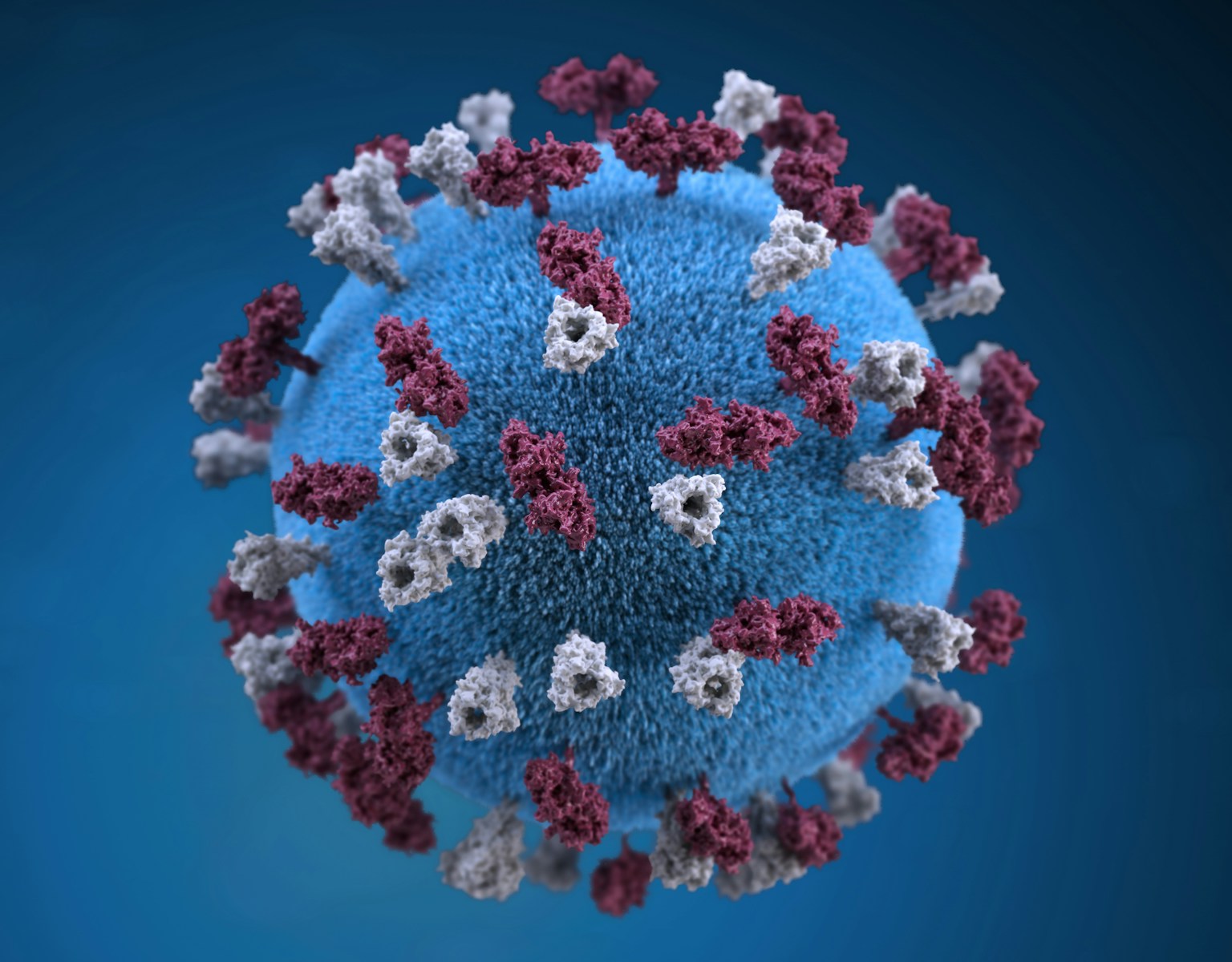
MONTGOMERY, Ala. (WDNews) — The Alabama Department of Public Health is urging parents to ensure their children are up to date on measles vaccinations as cases increase in several states, including Texas and Georgia, in the first two months of 2025.
Measles is a highly contagious viral respiratory illness that spreads through infected mucus and droplets in the air when an infected person coughs or sneezes. Unvaccinated individuals exposed to the virus have a 90% chance of becoming infected. People with measles can spread the disease for up to three weeks, often before they realize they are sick.
Dr. Karen Landers, the department’s chief medical officer, said measles symptoms follow a pattern. “A child first develops fever, cough, runny nose, and watery or red eyes. Then, a rash appears,” Landers said. “People can begin spreading the virus up to four days before symptoms appear, and those with weakened immune systems may be contagious for an extended period.”
There is no specific antiviral treatment for measles. Parents can help manage symptoms by ensuring children get plenty of fluids and rest, as well as giving non-aspirin fever reducers such as acetaminophen or ibuprofen. In some cases, measles can lead to complications, including ear infections, pneumonia, or encephalitis, a serious brain inflammation.
Most children receive protection through the measles-mumps-rubella (MMR) vaccine or the measles-mumps-rubella-varicella (MMRV) vaccine. The Centers for Disease Control and Prevention recommends children receive the first dose at 12 to 15 months old and a second dose between ages 4 and 6. Infants as young as 6 months can receive the vaccine if traveling internationally.
The MMR vaccine is available at pediatricians’ offices and county health departments. The risk of serious side effects from the vaccine is extremely low, and health officials stress that vaccination is far safer than contracting the disease.
Parents should contact a doctor immediately if they suspect their child has measles or has been exposed to an infected person, particularly if their child is an infant, has a weakened immune system, or has not received both recommended doses of the vaccine.